Source Custom Logo Office Stamp for Sealing, Branding, and Filing
Find 30 verified listings for custom logo office stamp solutions including self-inking and rubber options. Buyers can compare specifications, pricing, and customization features from suppliers in Guangdong, Jiangsu, and Zhejiang.
Key considerations
Products List
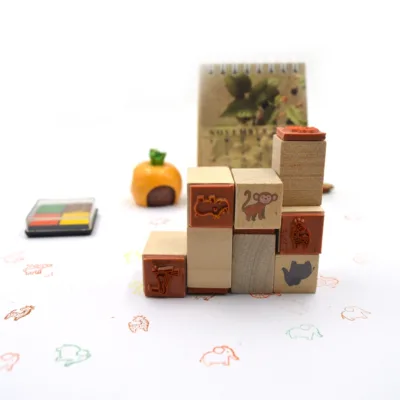
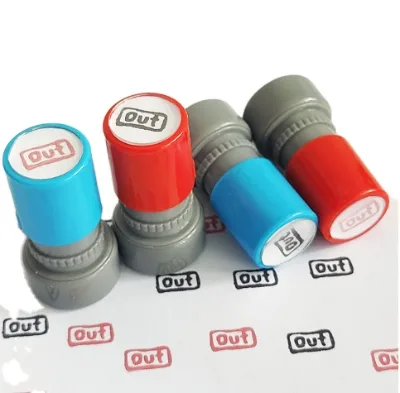
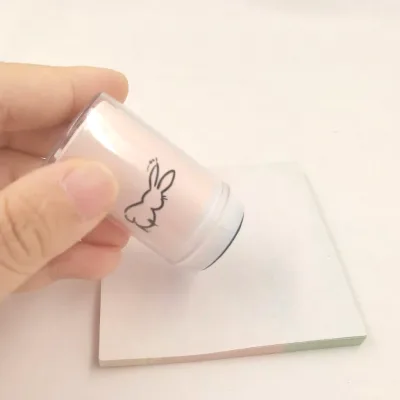
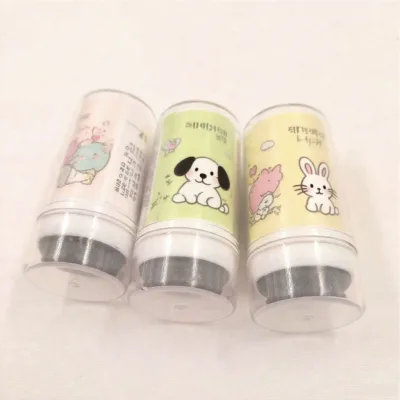


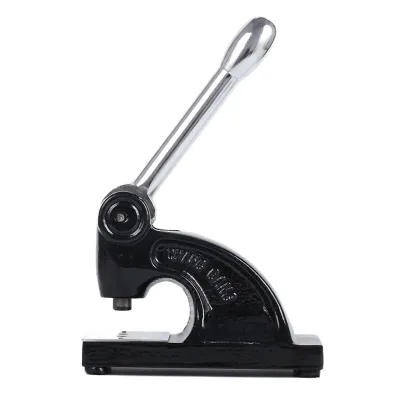
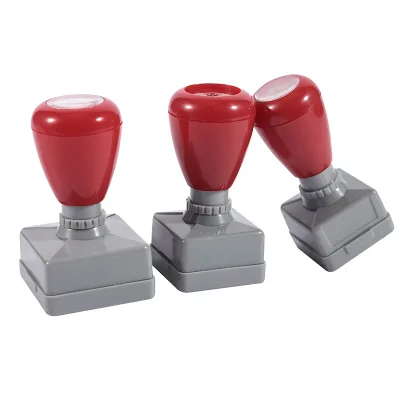
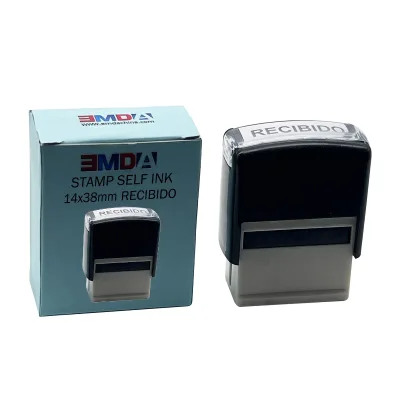
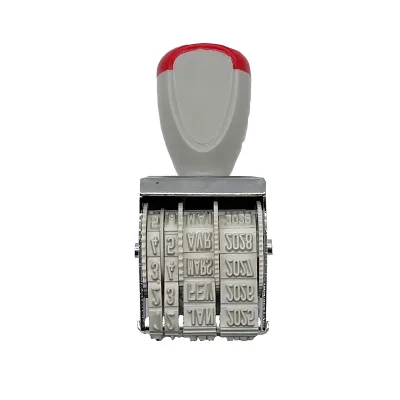


Comprehensive Sourcing Guide
Strategic Sourcing Guide for Custom Logo Office Stamps
Understanding Product Specifications and Material Composition
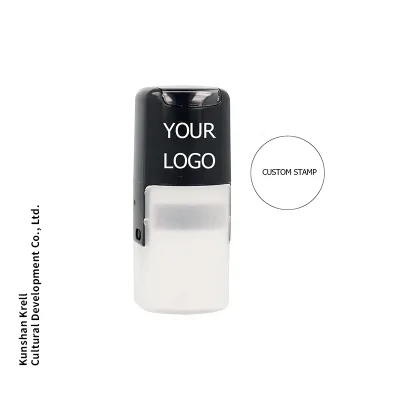
When sourcing custom logo office stamps, the primary objective is to align technical specifications with operational requirements. The market offers a diverse array of options, primarily categorized by the stamp type and the materials used in their construction. Based on current product data, the core category includes self-inking stamps, standard rubber stamps, and specialized numbering tools. The material composition is a critical differentiator, with the most common options being plastic, rubber, or a combination of both. Plastic components often provide structural durability and resistance to wear, while rubber elements are essential for the ink transfer surface, ensuring crisp and clear impressions.
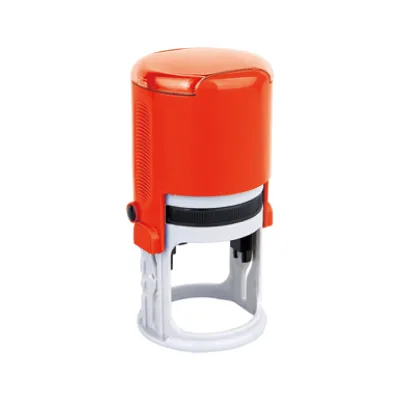
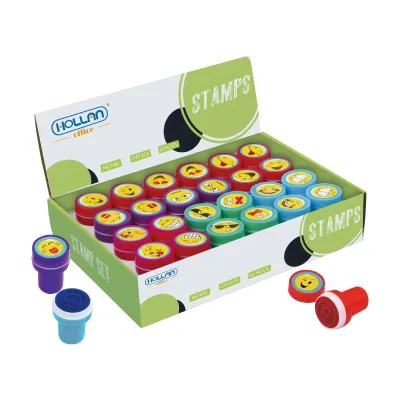
The physical dimensions of these stamps are highly flexible. Buyers should note that "Custom Size Accepted" is a prevalent specification, allowing organizations to tailor the footprint of the stamp to fit specific document layouts or branding guidelines. For instance, some standard units are packaged in dimensions around 6x6x3 cm, while others may vary significantly based on the custom design. The shape is another variable, with round configurations being a standard offering, though rectangular and custom shapes are also available to match specific logo geometries. The ink color is typically customizable, enabling companies to match their corporate identity or use color-coding for different departments.
The following table summarizes the key technical attributes observed in the current market for custom logo office stamps:
| Attribute | Typical Observation | Procurement Consideration |
|---|---|---|
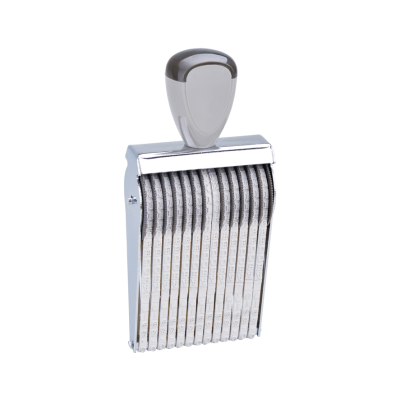
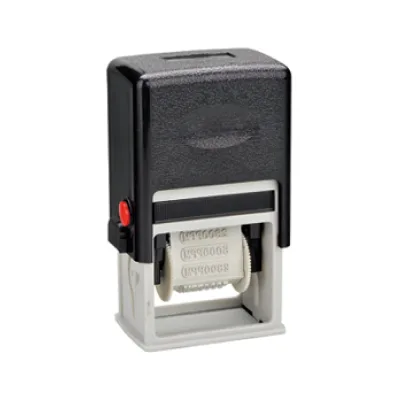
| Type | Self-Inking Stamp, Standard Stamp, Numbering Stamp | Self-inking models reduce manual effort; standard stamps may require separate ink pads. |
| Material | Plastic, Rubber, Plastic and Rubber | Rubber provides better impression quality; plastic offers durability for the housing. |
| Size | Custom Size, Specific dimensions (e.g., 6x6x3 cm) | Verify if the custom size fits the intended document space and stamping surface. |
| Shape | Round, Rectangle, Custom | Ensure the shape accommodates the logo design without distortion. |
| Ink Color | Customized, Black | Match ink color to brand guidelines or internal coding systems. |
| Weight | Varies (e.g., 0.02 kg to 0.0 kg per unit) | Consider weight for shipping costs and user fatigue during high-volume use. |
Compliance, Certification, and Safety Standards
In the realm of B2B procurement, verifying compliance and safety standards is paramount, particularly for products used in office environments where they may come into contact with various surfaces and personnel. While the provided product data does not explicitly list specific certification bodies or compliance numbers, buyers must actively verify that the materials used meet international safety standards. For office supplies, this often involves checking for non-toxic materials, especially since these stamps may be handled frequently by employees.
Buyers should request documentation confirming that the rubber and plastic components are free from hazardous substances such as phthalates or heavy metals. Although specific certification labels like CE or RoHS are not mentioned in the general product attributes, a prudent procurement strategy involves asking suppliers for test reports or declarations of conformity. The "Place of Origin" for these products is frequently cited as Guangdong, Jiangsu, or Zhejiang in China. While these regions are major manufacturing hubs, the specific factory's adherence to quality management systems (such as ISO 9001) should be verified independently.
Furthermore, the ink used in self-inking stamps must be evaluated for its drying time, smudge resistance, and compatibility with common office paper types. Buyers should ensure that the ink does not bleed through standard document paper, which could compromise the integrity of the stamped information. Since the product category is listed as "Stationery" and "Office," the products should generally adhere to general office supply safety norms, but specific verification is necessary to avoid liability issues related to material safety.
Cost Drivers and Pricing Dynamics
The cost of custom logo office stamps is influenced by several dynamic factors, including material selection, customization complexity, and order volume. The observed price range in the market spans from approximately $0.11 to $15.00 USD. This wide variance indicates that the final price is heavily dependent on the specific configuration chosen by the buyer. A basic standard stamp with a simple logo will likely fall at the lower end of this spectrum, while a complex self-inking unit with a custom housing, specialized ink, and intricate logo design will command a higher price.
Order volume is another significant cost driver. The Minimum Order Quantity (MOQ) varies considerably across suppliers, ranging from as low as 50 pieces to as high as 10,000 pieces. Some suppliers offer an MOQ of 200 pieces per design, while others may have a baseline of 50. For buyers with smaller immediate needs, finding a supplier with a lower MOQ is essential to avoid excessive inventory costs. Conversely, for large-scale procurement, negotiating based on higher volume tiers can significantly reduce the unit cost.
Additionally, the cost of customization plays a role. Accepting "Customized Designs" and "Customized Logo" often incurs a setup fee or a higher per-unit cost compared to standard off-the-shelf items. The packaging requirements also affect the final price; while "Accept custom packing" is a common feature, specialized packaging solutions designed for corporate gifting or bulk distribution will add to the overall expense. Buyers must balance the desire for premium customization with budget constraints, understanding that the price range reflects the spectrum from basic utility to high-end branded office tools.
Typical Applications and Use Cases
Custom logo office stamps serve a wide range of functional applications beyond simple document authentication. The primary use case is for official office documentation, where they provide a quick and consistent method for stamping approval, received status, or departmental identification. The "Use: Office" attribute confirms their primary role in administrative workflows. However, the versatility of these products extends to other areas. The "Use: Decoration" attribute suggests that some designs may be utilized for creative or branding purposes, such as stamping promotional materials or customizing notebooks.
Specific applications include:
- Document Processing: Stamping invoices, shipping labels, and internal memos with a company logo or specific status codes (e.g., "APPROVED," "PAID").
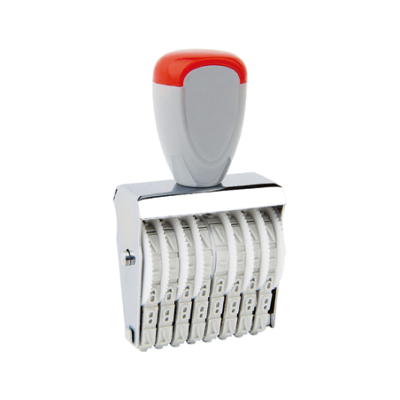
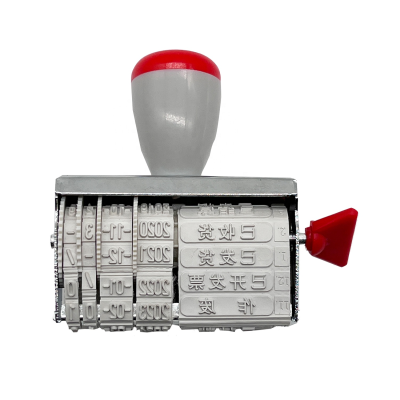
- Numbering and Sequencing: The availability of "High Quality Office 6 Numbering Stamp" and "Self-Inking Number Stamp" indicates their utility in tracking inventory, serial numbers, or sequential document IDs.
- Brand Consistency: Custom logos ensure that all outgoing documents carry a uniform brand identity, reinforcing corporate image.
- Event and Activity Management: Round stamps and custom shapes can be used for event check-ins, ticket validation, or participant identification.
The "Selling Units: Single item" attribute highlights that these products are often sold individually, allowing for flexible procurement where different departments might require different stamp types or logos. The ability to accept "Customized Color" further expands their application, enabling color-coded systems for different departments or project statuses within an organization.
Supplier Evaluation and Geographic Considerations
Evaluating suppliers for custom logo office stamps requires a careful assessment of their capabilities, particularly regarding customization and production capacity. The "Place of Origin" data points to major manufacturing clusters in China, specifically Guangdong, Jiangsu, and Zhejiang. These regions are known for their robust manufacturing ecosystems and experience in producing stationery and office supplies. However, the specific location should not be the sole determinant of supplier quality.
Buyers should prioritize suppliers who demonstrate flexibility in their design and production processes. Key evaluation criteria include:
- Design Capability: Can the supplier handle complex logo files and translate them accurately onto the stamp surface? The "Design: Customized Designs Acceptable" and "Logo: Accept Customized Logo" attributes suggest that customization is a core service, but the quality of the execution must be verified.
- Production Capacity: With MOQs ranging from 50 to 10,000, suppliers must have the capacity to handle both small and large orders. Buyers should inquire about lead times and production schedules to ensure timely delivery.
- Quality Control: Given the variation in materials (plastic, rubber), suppliers should have robust quality control processes to ensure consistent ink flow and impression clarity.
- Packaging Flexibility: The ability to "Accept custom packing" is a significant advantage for buyers looking to brand the packaging itself or ensure safe transport of delicate stamp components.
It is crucial to avoid relying solely on the "Brand Name" listed in product descriptions, as these may be generic or vary by supplier. Instead, focus on the supplier's reputation, their response to inquiries, and their willingness to provide samples before committing to a large order.
Quality Control and Long-Term Procurement Strategies
Ensuring the long-term quality of custom logo office stamps involves establishing clear quality control protocols and planning for future procurement needs. The "Single gross weight" and "Single package size" specifications provided in product data are useful for logistics planning, but they do not guarantee the durability of the stamp itself. Buyers should test samples for ink longevity, the resilience of the rubber surface, and the stability of the self-inking mechanism.
For long-term procurement, consider the following strategies:
- Standardization: Establish a standard set of stamp types and materials for the organization to streamline ordering and reduce complexity.
- Supplier Relationships: Build relationships with suppliers who can offer consistent quality over time. This is particularly important for custom designs, as re-ordering with a different supplier might result in variations in the logo impression.
- Inventory Management: Given the wide range of MOQs, buyers should plan their inventory carefully to avoid overstocking while ensuring they have enough units to meet demand.
- Performance Monitoring: Regularly assess the performance of the stamps in the field. If ink runs dry prematurely or the rubber wears out quickly, it may be necessary to switch to a different material or supplier.
By adhering to these guidelines and focusing on the specific attributes of the products, buyers can effectively source custom logo office stamps that meet their operational needs while maintaining high standards of quality and compliance. The flexibility in size, material, and design offered by the current market allows for tailored solutions that enhance efficiency and brand consistency across the organization.
FAQs
What materials are used for custom logo office stamps?
Custom logo office stamps are primarily made from plastic, rubber, or a combination of both. Plastic provides structural durability while rubber ensures crisp ink transfer for clear impressions on documents.
Can I order custom sizes for these office stamps?
Yes, custom sizes are accepted for most custom logo office stamp orders. Buyers can tailor the footprint to fit specific document layouts or branding guidelines without needing standard dimensions.
What is the minimum order quantity for these stamps?
The minimum order quantity varies by supplier, ranging from 50 pieces to 10,000 pieces. Some vendors require 200 pieces per design, so buyers should check specific supplier terms before ordering.
Which locations manufacture custom logo office stamps?
These stamps are manufactured in major Chinese hubs including Guangdong, Jiangsu, and Zhejiang. Buyers should verify the specific factory location to ensure reliable production capacity and logistics planning.
How much do custom logo office stamps typically cost?
The price range spans from 0.11 to 15 USD depending on complexity and materials. Basic standard stamps fall at the lower end while complex self-inking units with custom designs cost more.
Can I customize the ink color for my office stamps?
Yes, ink color is customizable to match corporate identity or departmental coding systems. Buyers can request specific colors to ensure consistency with their branding guidelines or internal tracking needs.
What types of stamps are available for office use?
Available types include self-inking stamps, standard rubber stamps, and numbering tools. Self-inking models reduce manual effort while standard stamps may require separate ink pads for operation.